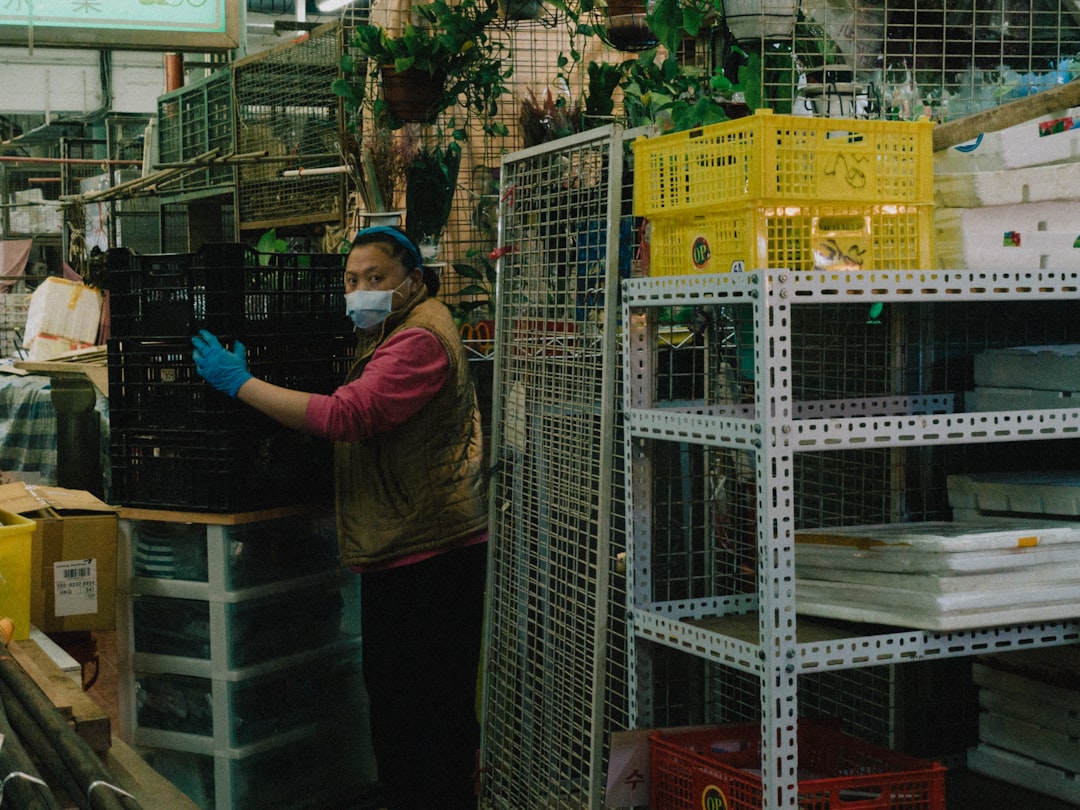
Your alarm screams at 4:15 a.m. on your first day. You're already drenched in sweat before you even step through the sliding doors of that sprawling, beige warehouse. You signed up for the $18.50-an-hour promise and the "immediate start" banner. But nobody told you that your body would feel like it’s been through a car wreck by lunch. Nobody warned you that a 10-minute "personal time" deduction applies every time you pee—and that your rate is tracked down to the millisecond. You were handed a laminated safety card, but not a single honest tip on how to survive the first 90 days. What you actually need is the unvarnished truth from the people who’ve already broken in those steel-toe boots: which states actually pay more, where the free government-paid forklift certifications are hiding, and the exact shifts that won't wreck your spine. Consider this your real orientation.
What Amazon Warehouse Pay Really Looks Like in Your State
You’ve probably seen the “up to $22/hr” ads, but the real number depends entirely on where you clock in. Amazon warehouse pay varies by state because cost of living and local competition drive starting rates. In California, most entry-level roles start between $18.50 and $20.50 an hour, with warehouse jobs no experience required. Texas typically lands around $17 to $19, while Florida offers $16.50 to $18. That base rate jumps fast if you grab a night or weekend shift—those shift differentials add $1.50 to $3 per hour just for working after 6 p.m. Overtime is almost always available during peak seasons (Prime Week, Black Friday), and pay bumps to 1.5x your rate after 40 hours, which can push your weekly take-home well past $900 in high-pay states like New Jersey or Washington.
Stop guessing and start earning more from Day 1—here’s what no one tells you. The median Amazon warehouse pay nationwide sits at about $19.50 an hour, but if you’re in a state like Illinois or Arizona, you might land at $17.50 and feel shortchanged. Don’t quit yet. Shift differentials stack: a night shift at a $18/hr base in Texas becomes $20.50, and overtime on that nets you $30.75 per hour. The secret is knowing which warehouse in your state pays the highest base rate—those are usually the sortation centers, not the fulfillment centers. You’ll waste weeks on a slow hiring portal unless you know this shortcut: apply directly at the staffing desk, not online. That’s where managers post immediate openings for blue badge positions with better rate of pay. If you’re searching for warehouse jobs near me hiring immediately, skip the generic job boards and walk into the warehouse during the first shift change—usually 6:15 a.m. or 6:15 p.m.—and ask for the operations manager by name.
How to Get Forklift Certification for Free (Government-Funded Programs)
That manager might also point you toward something worth more than a shift differential: a free forklift certification. Every state has workforce boards funded by the federal Workforce Innovation and Opportunity Act (WIOA), and they’ll pay for your training if you qualify. In California, Texas, and Florida, these programs run constantly—you just need to walk into your local American Job Center and ask about “forklift certification” and “WIOA funding.” The certification takes about 20 hours of classroom and hands-on practice, and it’s the fastest way to bump your Amazon warehouse pay by $3 to $5 per hour. You don’t need experience; you just need to show up and pass a simple background check. Most centers even schedule classes in the evenings or weekends so you don’t quit your current job. Once you’ve got that plastic card, you’re instantly more valuable to any fulfillment center. You’ll skip the two-week waiting period for a blue badge and step straight into a stower position at a higher rate of pay. Stop guessing and start earning more from Day 1—here’s what no one tells you: the same workforce board that paid for your training can also match you with “warehouse jobs near me hiring immediately.” Apply directly at the staffing desk, not online, and mention your new certification. They’ll fast-track you past the generic queue. If you’re searching for “warehouse jobs no experience,” this free credential is the cheat code. For a directory of state workforce boards and active certification programs, check the U.S. Department of Labor’s CareerOneStop site—it lists every location with funding available today.
Amazon vs. Walmart Hiring Process: Insider Shortcuts to Skip the Line
You’ll waste weeks on a slow hiring portal unless you know this shortcut. Amazon’s system prioritizes internal referrals and same-day walk-ins at the staffing desk over online applications, yet most job seekers click “apply” on the corporate site and wait in limbo. Walmart, by contrast, runs its warehouse hiring through a separate division—Walmart Supply Chain—where you bypass the store-level rejections by applying directly to a distribution center’s HR email, not the generic careers page. The trick? For Amazon, show up in person at the facility during first-shift start times (6 a.m. or 5 p.m.) and ask for the “blue badge” hiring manager; for Walmart, call the DC’s front desk and request “warehouse jobs no experience” openings before they post online. Stop guessing and start earning more from Day 1—here’s what no one tells you: both companies hide “fast-track” slots for roles like stower or picker that pay higher Amazon warehouse pay than advertised, but only if you catch the hiring window before the automated system flags your lack of prior experience. If you apply online and get an automated rejection within 24 hours, it’s likely a keyword filter—not a real review—so reapply with “packer” and “lift 50 lbs” in your summary, or head straight to a state workforce board that lists “warehouse jobs near me hiring immediately” with no corporate gatekeeping.
The 5 Things Warehouse Workers Wish They Knew Before Day One
Your feet will scream by hour three if you show up in fashion sneakers or steel-toe boots that aren’t broken in. Veteran workers swear by composite-toe shoes with thick gel insoles—they’re lighter than steel and won’t trip metal detectors at security checkpoints. You’ll walk 8 to 12 miles per shift on concrete floors, and the only thing worse than foot pain is a safety write-up for improper footwear. Buy two pairs and rotate them every shift; your knees and lower back will thank you by week two.
Pacing yourself is the difference between lasting six months and washing out in six weeks. New hires often sprint through the first hour trying to hit rate targets, then hit a wall at lunch with nothing left for the final four hours. That rate of pay—typically $17 to $22 per hour depending on your state’s median Amazon warehouse pay—isn’t worth a torn rotator cuff or a stress fracture. Watch the veterans: they move steady, not fast, and they know exactly when to grab water without triggering the system’s idle tracking.
Bathroom breaks are a tightrope. You can’t just walk off your station without notifying a manager, and if you disappear for more than 10 minutes during peak flow, you risk a coaching session that goes on your record. Some warehouses assign you a “relief” window every two hours, but that window shifts depending on the department—stowers get less flexibility than pickers. It’s smart to learn the unspoken bathroom protocol from your assigned ambassador, because asking on Day 1 marks you as someone who “doesn’t get it.”
The biggest rookie mistake is ignoring the ergonomic mats at your station. Amazon provides anti-fatigue mats, but workers often kick them aside to feel closer to the conveyor belt. That habit will cost you—hard concrete accelerates joint damage, especially in the hips and lower back. Also, never lean into the pods or shelves to rest; the pressure on your spine multiplies by four times your body weight, and one slip can end your shift early with a workers’ comp claim you’ll fight for months.
Finally, the mental grind hits harder than the physical one. You’re expected to hit rate goals while scanning items every 1.5 seconds, with a manager’s voice blasting productivity stats over the intercom every 30 minutes. Headphones are banned for safety reasons, so you’re stuck with the noise of beeping scanners and pallet jacks. Seasoned workers use earplugs rated for noise reduction—not to block sound completely, but to dull the constant industrial roar so your brain doesn’t fry by shift five.
No Experience? No Problem: Landing Your First Warehouse Job
That industrial noise you’re learning to manage? It’s the soundtrack of your first week—and you don’t need a resume full of logistics to get hired. Amazon hires for roles like stower and picker every single day, often with same-week start dates. The trick is knowing that "warehouse jobs no experience" isn’t a barrier; it’s the norm. What matters more than past work is showing up on time, passing a basic drug screen, and proving you can handle a 10-hour shift on your feet. You’ll waste weeks on a slow hiring portal unless you know this shortcut: apply directly at the staffing desk near the facility’s back gate, not through the main website. That insider move can get you a blue badge—Amazon’s permanent employee status—in days instead of months. When you interview, highlight any job where you stood all day, followed safety rules, or worked in a team. Those count. For Amazon warehouse pay, expect $17–$22 an hour depending on your state, with shift differential adding $1–$3 more for nights or weekends. The easiest roles to land are stower (filling pods) or inbound dock—both require zero experience and offer full training by lunch break. Stop guessing and start earning more from Day 1—here’s what no one tells you: your first paycheck will feel small until you learn which shifts offer the overtime nobody volunteers for.
Before your first shift, call a current associate—find one through Reddit or a community group—and ask them one question: "What’s the one thing you’d tell yourself to prepare for the first week?" That single conversation can strip away the glossy orientation scripts and replace them with real, hourly survival tactics. Because here’s the unsettling truth: no manual or recruiter will warn you about the specific foot pain that sets in by hour three, or the subtle politics of your assigned station. Success looks like finishing your 90-day probation with your body intact and your pride unbruised—but only if you learn the unwritten rules before they teach you the hard way.